Hey there! So, 2026 is just around the corner, and if you're running a local service business, you know things are always changing. What worked last year might not cut it now. We've got to keep up, right? It's all about being smart, using the tools we have, and really connecting with our customers. I've put together some ideas that should help your business grow and stay strong, no matter what comes our way. Let's get your local service business ready to shine.
Key Takeaways
- Use AI tools to understand customers better and make smarter business choices. This helps you know what people want and how to reach them.
- Look at your local area and use what you learn to expand. Knowing what people like and what the rules are in new places is super important.
- Make sure your business can handle more work as you grow. Automating tasks and making things run smoother helps a lot.
- Be real with your customers. Share your story and show that you care about the community. People like businesses they can trust.
- Make sure customers have a great experience every time they interact with you. Happy customers come back and tell their friends.
Embrace AI for Smarter Business Decisions

Artificial intelligence isn't just for the big players anymore. For local service businesses in 2026, it's becoming a real game-changer for making better choices. Think of it as having a super-smart assistant that can look at tons of information way faster than any human could.
Leverage AI-Powered Analytics Platforms
These platforms can sift through your sales data, customer interactions, and even local market trends to show you what's really going on. Instead of guessing, you get clear pictures of what's working and what's not. This helps you put your resources where they'll do the most good.
Here's a quick look at what AI analytics can reveal:
- Sales Performance: Identify your most profitable services and busiest times.
- Customer Behavior: See which marketing efforts bring in the most valuable customers.
- Market Trends: Spot emerging needs or shifts in local demand.
- Operational Bottlenecks: Pinpoint areas where your business might be slowing down.
Utilize AI for Customer Insights and Personalization
Understanding your customers is key, and AI can help you get to know them on a deeper level. It can analyze past purchases, online activity, and feedback to predict what they might want next. This means you can offer them exactly what they're looking for, often before they even ask.
Imagine sending out a special offer for lawn care services right before spring, just to the customers who've used your service before. That's personalization powered by AI. It makes customers feel seen and valued, which is great for keeping them happy and coming back.
AI helps you move from a one-size-fits-all approach to a more tailored experience for each customer. This kind of attention builds stronger relationships and encourages repeat business.
Implement AI for Operational Efficiency
Beyond customer interactions, AI can also streamline the day-to-day running of your business. Think about automating tasks that take up a lot of your team's time but don't require complex decision-making. This could be anything from scheduling appointments to responding to common customer questions.
- Automated Scheduling: AI can manage appointment bookings, send reminders, and even reschedule if needed, reducing no-shows.
- Chatbots for Support: AI-powered chatbots can handle frequently asked questions 24/7, freeing up your human staff for more complex issues.
- Inventory Management: For businesses with physical products, AI can help predict stock needs, preventing overstocking or running out of popular items.
By letting AI handle these routine jobs, your team can focus on the work that truly requires their skills and attention, like providing excellent service or developing new offerings.
Drive Growth Through Data-Driven Market Expansion
Thinking about where to take your business next? It's easy to get excited about new possibilities, but jumping into a new area without a solid plan can be a real gamble. That's where using data to guide your expansion comes in. It's not about guessing; it's about making smart moves based on what you learn.
Analyze Local Preferences and Competition
Before you even think about opening a new location or offering a new service in a different neighborhood, you need to do your homework. What do people in that specific area actually want? Are they already getting it from somewhere else? You can find this out by looking at online reviews for businesses similar to yours in that area, checking out local social media groups, or even just talking to people. See who your potential competitors are, what they're doing well, and where they might be falling short. This kind of local intelligence helps you figure out if there's a real need for what you offer and how you can stand out.
Here's a quick way to think about it:
- Customer Needs: What problems are people in this new area trying to solve?
- Existing Solutions: Who is currently solving those problems, and how?
- Your Opportunity: Where is the gap that your business can fill?
Understand Regulatory Environments
Every place has its own set of rules. This isn't the most exciting part, but it's super important. You need to know about local permits, licenses, zoning laws, and any specific regulations that apply to your type of business. Ignoring these can lead to costly fines or even shut down your expansion plans before they even start. It's worth spending a little time upfront to talk to local government offices or consult with someone who knows the local laws well.
Don't assume that what's legal or standard in one town is the same in another. Rules can change quickly, and staying informed is key to avoiding trouble.
Tailor Marketing Campaigns with Data
Once you've got a handle on the local scene and the rules, you can start planning how to tell people about your business. Don't just blast out the same ads everywhere. Use the data you've gathered to create marketing messages that speak directly to the people in that new area. If your research shows that a particular service is in high demand, highlight that. If you know your competitors aren't great at customer service, focus on how you excel there. Using data helps you spend your marketing budget more effectively, reaching the right people with the right message at the right time.
Build Scalable Operations for Sustainable Growth
As your service business grows, your internal systems need to keep pace. Trying to handle more customers or bigger projects with the same old setup is a recipe for burnout and missed opportunities. The goal is to build a foundation that can expand without breaking. This means looking at your tools, your processes, and how your team works.
Invest in Scalable Infrastructure
Think about what you use every day. Are your computers old? Is your internet connection reliable enough for peak times? For a service business, your "infrastructure" might be less about physical buildings and more about the technology that runs your operations. Cloud-based software is a big one here. Instead of buying expensive servers that you might outgrow or underutilize, cloud services let you pay for what you need and easily add more capacity as demand increases. This applies to everything from your customer relationship management (CRM) system to your project management tools and even data storage.
- Cloud-based CRM: Easily manage more customer interactions and data.
- Project management software: Track more projects and team members without getting lost.
- Online storage solutions: Store growing amounts of client files and business records securely.
Automate Repetitive Business Tasks
What tasks does your team do over and over again? Things like sending appointment reminders, processing invoices, or answering frequently asked questions can eat up a lot of time. Automating these frees up your people to focus on the work that actually makes you money and builds customer relationships. Think about setting up automated email sequences for new clients, using software to generate invoices based on completed work, or even implementing a simple chatbot on your website for common queries. It might take a little time to set up, but the payoff in saved hours is huge.
Automating routine tasks isn't about replacing people; it's about giving them more time to do the high-value work that requires human skill and judgment.
Optimize Processes for Efficiency
Even with good infrastructure and automation, your day-to-day workflows can often be improved. Take a look at how work flows from one step to the next. Are there bottlenecks? Are people waiting on each other unnecessarily? Sometimes, a simple change, like reorganizing how digital files are stored or creating a standardized checklist for common service jobs, can make a big difference. It’s about making sure every step in your process adds value and moves things forward smoothly. Regularly reviewing these processes, maybe once a quarter, can help you catch inefficiencies before they become major problems.
Strengthen Brand Authority with Authenticity

In today's crowded market, just doing good work isn't always enough. People want to connect with the why behind your business. Building a strong brand authority means showing up as real and genuine. It's about more than just your services; it's about who you are as a company and what you stand for. Authenticity builds trust, and trust is the bedrock of lasting customer relationships.
Share Your Business Story and Values
People connect with stories. What got you started? What challenges did you overcome? Sharing your journey, even the messy parts, makes your business relatable. It helps customers see the passion and dedication you pour into your work. Don't be afraid to talk about your core values – whether it's commitment to quality, community, or innovation. These aren't just buzzwords; they're the principles that guide your decisions.
- Origin Story: How did the business begin? What was the initial spark?
- Mission & Vision: What drives your company forward?
- Core Values: What principles guide your daily operations?
Showcase Community Involvement
Local service businesses are part of a community. Showing that you're invested in that community goes a long way. This could be anything from sponsoring a local sports team to volunteering your services for a community project. It demonstrates that you care about more than just making a profit. It shows you're a good neighbor.
- Participate in local events.
- Partner with other local businesses for community initiatives.
- Highlight any charitable work or support you provide.
Build Trust Through Transparency
Being upfront and honest is key. This means clear pricing, honest timelines, and admitting when something doesn't go as planned. If you make a mistake, own it and explain how you'll fix it. Transparency also extends to how you operate. Sharing insights into your processes or even introducing your team can make a big difference. For instance, showing short videos of your team at work or explaining a bit about your service process can demystify your operations and build confidence. This kind of openness helps build trust-based marketing strategies that customers appreciate.
Being transparent doesn't mean revealing every single detail of your business operations. It means being honest about what matters to your customers: pricing, service delivery, and how you handle challenges. It's about building a reputation for reliability and integrity.
Prioritize Exceptional Customer Experience
Making sure your customers are happy isn't just a nice-to-have; it's a core part of growing your service business. When people have a good time dealing with you, they tend to come back and tell their friends. It’s that simple.
Implement Omnichannel Support Strategies
Customers today expect to reach you through whatever channel is easiest for them at that moment. This means being available on more than just the phone or email. Think about social media messages, live chat on your website, or even text messages. The goal is to make it easy for them to connect with you, no matter where they are.
- Phone Support: Still a go-to for many, especially for complex issues.
- Email: Good for detailed inquiries and record-keeping.
- Live Chat: Offers quick answers for simple questions on your website.
- Social Media: Meet customers where they spend their time online.
- SMS/Text: Convenient for quick updates and confirmations.
The key is to have a consistent experience across all these channels. Your team needs to be able to pick up a conversation where it left off, regardless of how the customer initially reached out.
Gather and Act on Customer Feedback
Don't just guess what your customers want; ask them! Setting up ways to collect feedback is vital. This could be through simple surveys after a service is completed, review requests, or even just paying attention to comments on social media. What's more important than collecting it, though, is actually doing something with the information you get.
Regularly reviewing customer feedback allows you to spot trends and identify areas for improvement before they become bigger problems. It shows customers you're listening and care about their experience.
Here’s a quick look at how feedback can shape your business:
- Identify Pain Points: What frustrates your customers?
- Spot Strengths: What are you doing really well?
- Innovate Services: What new things might customers want?
- Improve Processes: How can you make interactions smoother?
Foster Customer Loyalty and Referrals
Happy customers are your best salespeople. When you consistently provide great service, people are more likely to stick with you and recommend you to others. This is often more effective and cheaper than traditional advertising.
Think about ways to reward your loyal customers. This could be a small discount for repeat business, early access to new services, or a simple thank-you note. For referrals, consider a program where both the existing customer and the new customer get a benefit. This encourages word-of-mouth marketing, which is incredibly powerful for local service businesses.
Optimize Online Presence for Local Search
Making sure people in your area can find you online is a big deal. It’s not just about having a website; it’s about showing up when someone nearby searches for what you do. This means getting your business in front of local customers who are actively looking for your services.
Claim and Update Google Business Profile
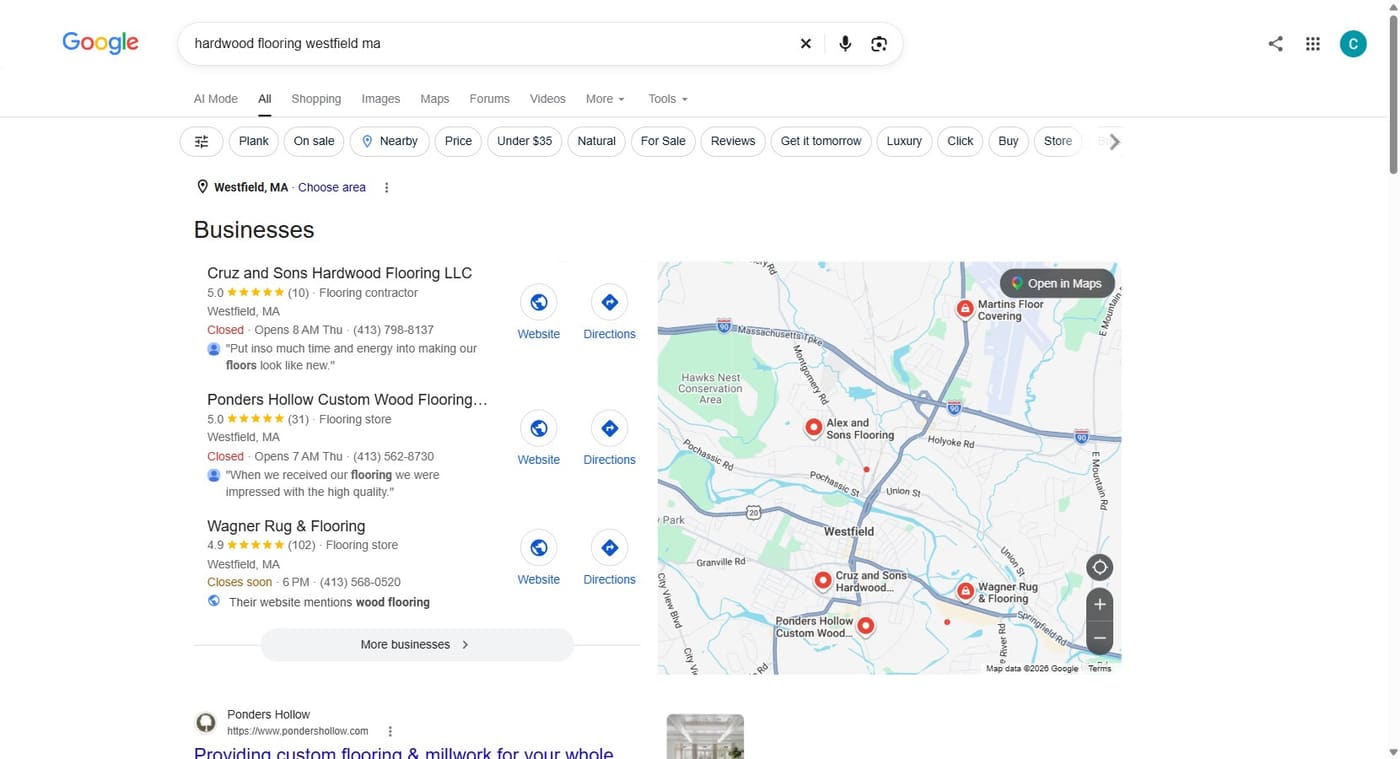
Your Google Business Profile (GBP) is like your digital storefront on Google Search and Maps. It’s often the first thing people see. Keeping it accurate and complete is super important. Think about it: if your hours are wrong or your phone number is outdated, potential customers might just go somewhere else.
Here’s what to focus on:
- Accurate Business Information: Double-check your name, address, phone number (NAP), and website URL. Make sure they match everywhere online.
- Operating Hours: Keep these updated, especially for holidays or special events. Nothing frustrates customers more than showing up when you're closed.
- Photos and Videos: Upload high-quality pictures of your business, your team, and your work. A short intro video can really help people connect with your brand.
- Services/Products: List everything you offer clearly. This helps Google understand what you do and show you to the right searchers.
Encourage Customer Reviews
Reviews are gold. They build trust and directly influence where you rank in local search results. People trust what other customers say more than they trust advertising. So, actively asking for reviews is a smart move.
- Ask in Person: The best time to ask is right after you've completed a job successfully and the customer is happy.
- Make it Easy: Provide simple ways for customers to leave a review. You can use QR codes that link directly to your Google review page or simple printed cards with instructions.
- Respond to All Reviews: Thank customers for positive feedback and address any negative comments professionally and constructively. This shows you care.
Incorporate Local Keywords Naturally
Think about the words and phrases people in your town or neighborhood would use to find a business like yours. Sprinkle these local keywords into your website content, especially on your homepage, about page, and service pages. Don't stuff them in unnaturally; just write like you normally would, mentioning your city, specific neighborhoods, or local landmarks where relevant.
Search engines are getting smarter. They want to show users the most relevant results. If your website talks about "plumbing services in Springfield" and someone searches for that, you've got a much better chance of showing up than if you only talk about "plumbing services" generally. It’s about connecting with your immediate community online.
Strategic Paid Advertising for Accelerated Results
Paid advertising can really speed things up when you're trying to grow your service business. It's not just about throwing money at ads; it's about being smart with where and how you spend it. The goal is to reach the people most likely to become paying customers, without wasting your budget.
Utilize Hyper-Targeting for Audience Reach
Forget casting a wide net. In 2026, precision is key. Platforms like Google Ads and social media channels let you get really specific about who sees your ads. You can target based on location, age, interests, online behavior, and even life events. For a local plumber, this means showing ads for emergency services only to people in your service area who are actively searching for plumbing help. This kind of hyper-targeting makes your ad spend work harder.
Here’s a quick look at what you can target:
- Demographics: Age, gender, income level, parental status.
- Interests: Hobbies, specific services they might need (e.g., home renovation, pet care).
- Behaviors: Online shopping habits, device usage, recent searches.
- Location: Specific zip codes, neighborhoods, or a radius around your business.
A/B Test Ad Creatives for Performance
What works for one business might not work for another, and even for the same business, different messages can perform differently. That's where A/B testing comes in. You create two versions of an ad – maybe one with a different headline, image, or call-to-action – and let the platform show both to similar audiences. Then, you see which one gets more clicks or conversions. It’s a straightforward way to figure out what connects best with your potential clients. This iterative process helps you refine your message over time and get better results from your ad campaigns.
Consider testing these elements:
- Headline: Does a question or a benefit-driven statement perform better?
- Image/Video: Is a photo of your team more engaging than a graphic?
- Call-to-Action (CTA): Does "Book Now" outperform "Get a Quote"?
- Ad Copy: Is a shorter, punchier description more effective than a slightly longer one?
Allocate Budget Based on ROI Metrics
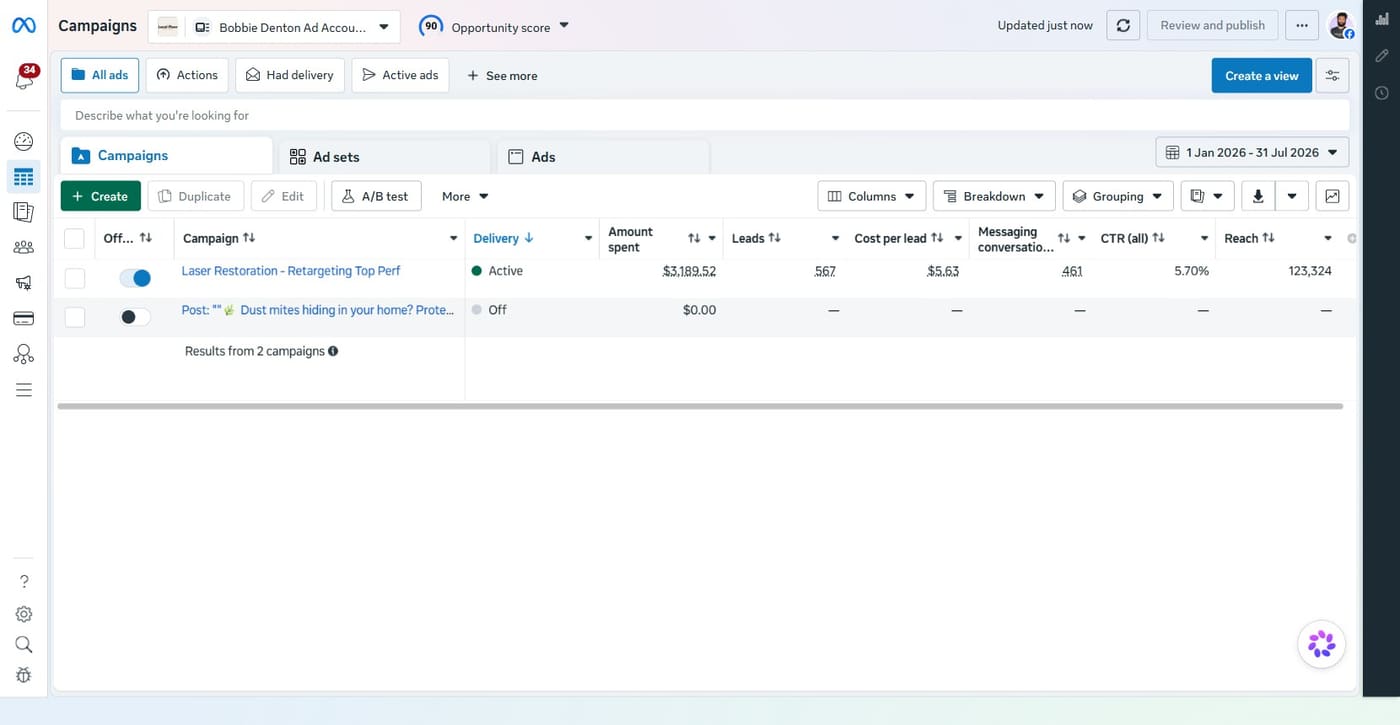
This is where the rubber meets the road. You need to know which of your paid efforts are actually bringing in money. Return on Investment (ROI) is your best friend here. It tells you how much profit you're making for every dollar you spend on advertising. If one campaign is costing you a lot but not bringing in many customers, it’s time to rethink it or cut it. Conversely, if a particular ad set is generating a great return, consider putting more money into it. Tracking your ROI helps you make informed decisions about where to invest your marketing dollars for the best possible growth.
Don't just spend money on ads and hope for the best. You need to track what's working and what's not. Look at metrics like cost per click (CPC), cost per acquisition (CPA), and ultimately, the ROI for each campaign. This data will guide your spending and ensure your advertising budget is used effectively to drive real business results.
Want to see your business grow super fast? Our smart paid ads can help you get there quickly. We make ads that work hard for you, bringing in customers and boosting your sales. Ready to speed up your success? Visit our website to learn how we can help you achieve amazing results.
Wrapping It Up
So, that’s the rundown on how local service businesses can really make 2026 their year. It’s not about having a massive budget or a huge team. It’s about being smart, using the tools available, and really listening to your customers. Think about using AI to make things run smoother, getting your name out there online where people are actually looking, and just generally making it easy for folks to do business with you. The market changes, sure, but if you stay on your toes and keep trying new things, you can definitely grow and stand out. Don't overcomplicate it; just pick a few things from this list and get started. You’ve got this.
Frequently Asked Questions
What is the main idea behind using AI for my business in 2026?
Using AI means letting smart computer programs help you make better choices. These tools can look at lots of information to understand what customers like, help you run your business more smoothly, and even guess what might happen next. It's like having a super-smart assistant that helps you work faster and smarter.
How can I use data to grow my business into new areas?
Think of data as clues about what people want. By looking at what customers in a new place like, who else is selling there, and what rules you need to follow, you can plan a better way to introduce your business. This helps you avoid mistakes and make sure people in the new area will like what you offer.
What does it mean to build 'scalable operations'?
Scalable operations mean setting up your business so it can handle more customers and more work without falling apart. It involves using tools and systems that can grow with you, like software that can handle more orders or a team that can be trained for new tasks. This way, when you get busier, your business can keep up.
Why is being 'authentic' important for my brand?
Being authentic means being real and true to yourself. Customers today like businesses that share their story, what they believe in, and how they help their community. When you're honest and genuine, people trust you more, and they're more likely to become loyal customers.
How can I make sure my customers have a great experience?
A great customer experience means making it easy and pleasant for people to interact with your business. You can do this by being available on different platforms like phone, email, or social media, listening carefully to what customers say, and doing your best to make them happy. Happy customers often tell their friends about you!
What's the best way to get found online by local customers?
To get found by people nearby, you need to make sure your business shows up when they search online. This means having a good Google Business Profile with correct information, encouraging happy customers to leave reviews, and using words on your website that people in your area would search for.